Pack an Order Solo Guide
Pack an Order’s official description says players can work solo or with friends. A solo run means one player owns every handoff: reading a customer order, finding toys, choosing the carried item, packing the box, and loading the truck. The practical goal is not to imitate a full crew; it is to keep each stage clear enough that you never lose track of the active delivery.
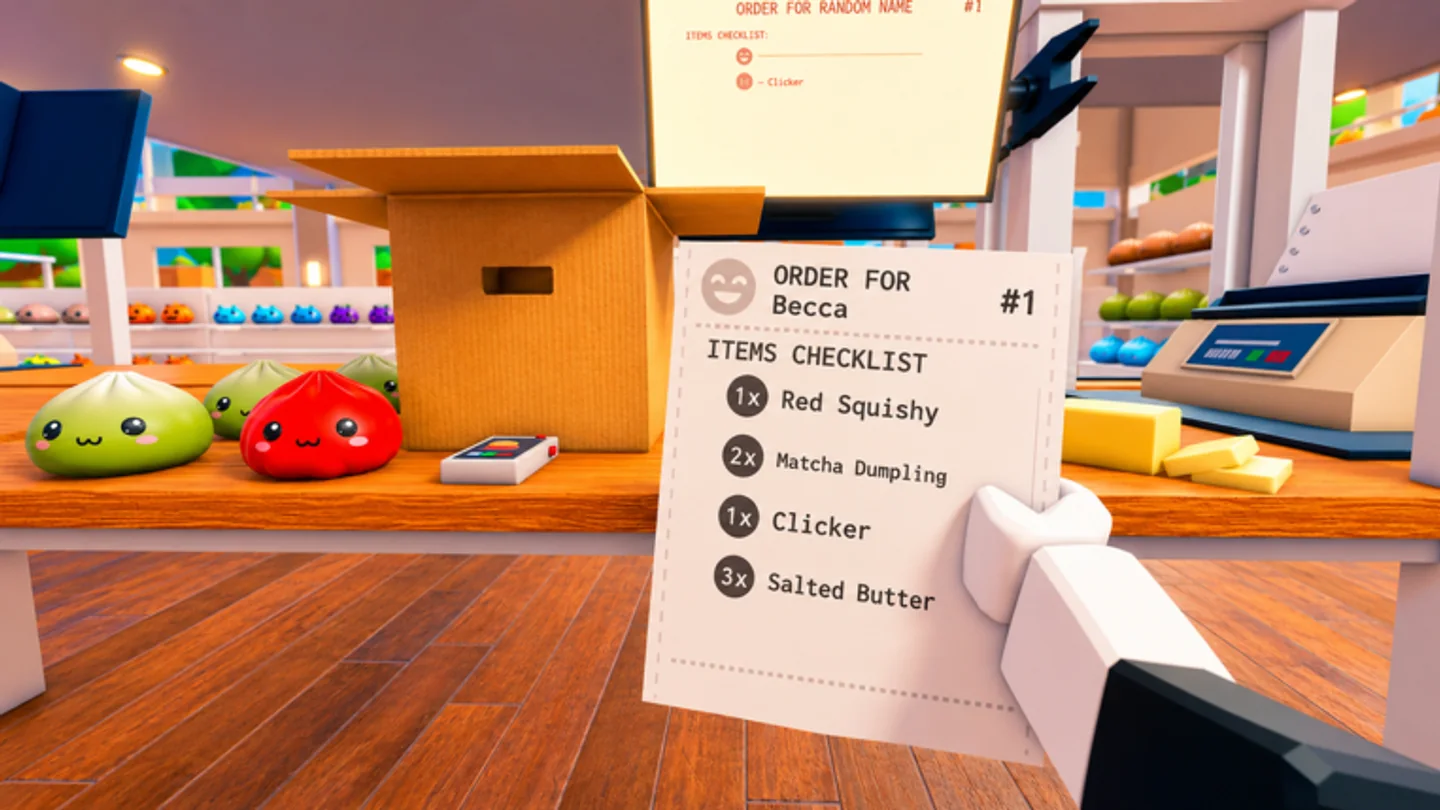
Finish one clear delivery line
Solo play rewards a narrow focus. Use R to cycle customer orders, choose the ticket you can explain to yourself, and let it set the next route. The official description confirms multiple customer orders through the cycle control, but it does not publish a priority system or timer formula. Start with the ticket you understand rather than trying to carry progress for every visible request at once.
A solo player handles both shelf work and the final delivery, so unfinished boxes create a larger cost than they do in a crew. Once you have the right items, return to the packing flow, complete the box, and load the truck before launching a new search. This gives every walk a clear purpose and keeps the station from becoming a storage area for half-finished jobs.
Think of the solo route as one loop with no invisible handoff. You leave the packing area because a specific ticket needs something. You return because those objects can now be packed. You go to the truck because the box is finished. If you cannot explain the next step in that chain, cycle back to the order before walking farther.
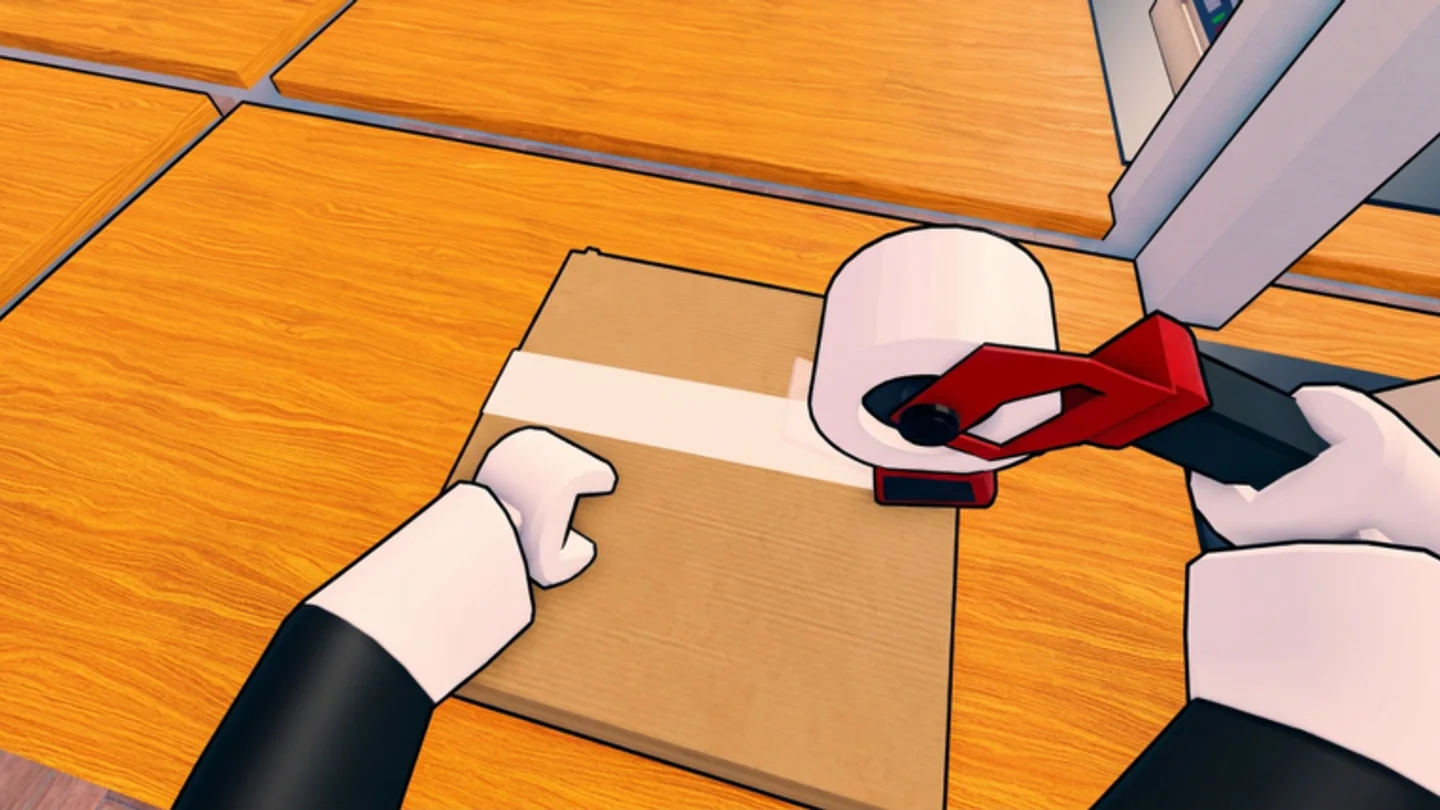
Let capacity reduce repeat trips, not increase confusion
Carry Capacity is one of the named upgrades. It can be useful for a solo player because one person otherwise makes every shelf-to-box trip. Pair it with the Scroll Wheel control: grouped pickups only save time when you can deliberately cycle to the correct toy at the box rather than guessing which object is active.
Speed and Reach are the other official upgrade categories. Watch the actual delay in your run before spending coins: long travel suggests Speed, awkward shelf interaction suggests Reach, and repeated return walks suggest Carry Capacity. Exact prices, effects, and caps are not listed publicly, so no universal purchase order belongs in this guide.
A useful solo comparison is whether one better route would save more time than an upgrade. If you are repeatedly forgetting the ticket or carrying an item for the wrong order, improve the control routine first. When the routine is clean and the same physical delay keeps appearing, the named upgrade categories give you a sensible place to test your earned coins.
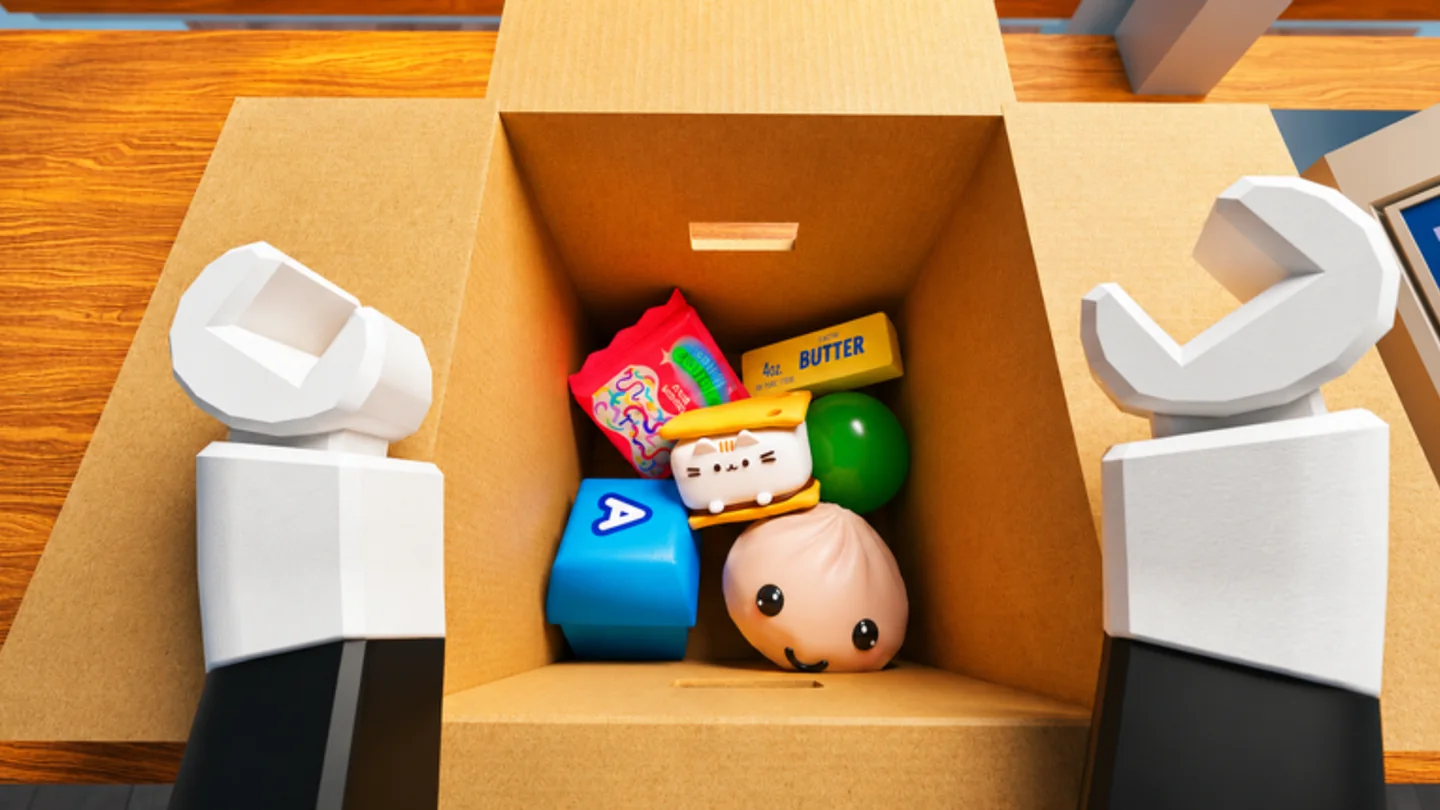
Recover early from a wrong pickup
The official input list gives Q one job: drop an item. In a solo run, use it quickly when a pickup does not belong to the active ticket. Carrying a doubtful toy across the warehouse creates a second decision at the box and may force a third walk back to the shelf.
Right Click or Y gives you an inspection check before packing. Combine that with the ticket-first routine: confirm the request, inspect if needed, select the matching carried item, and use E or Left Click to pack. You are not trying to add unnecessary steps; you are protecting the one point where a solo run cannot rely on a teammate to catch a mismatch.
When you make a correction, restart from the nearest reliable point instead of trying to remember every earlier assumption. Drop the uncertain item with Q, cycle the current order with R, and rebuild the carried set around what the ticket actually needs. This is a short recovery process that keeps one wrong pickup from turning into a confusing detour across the whole warehouse.
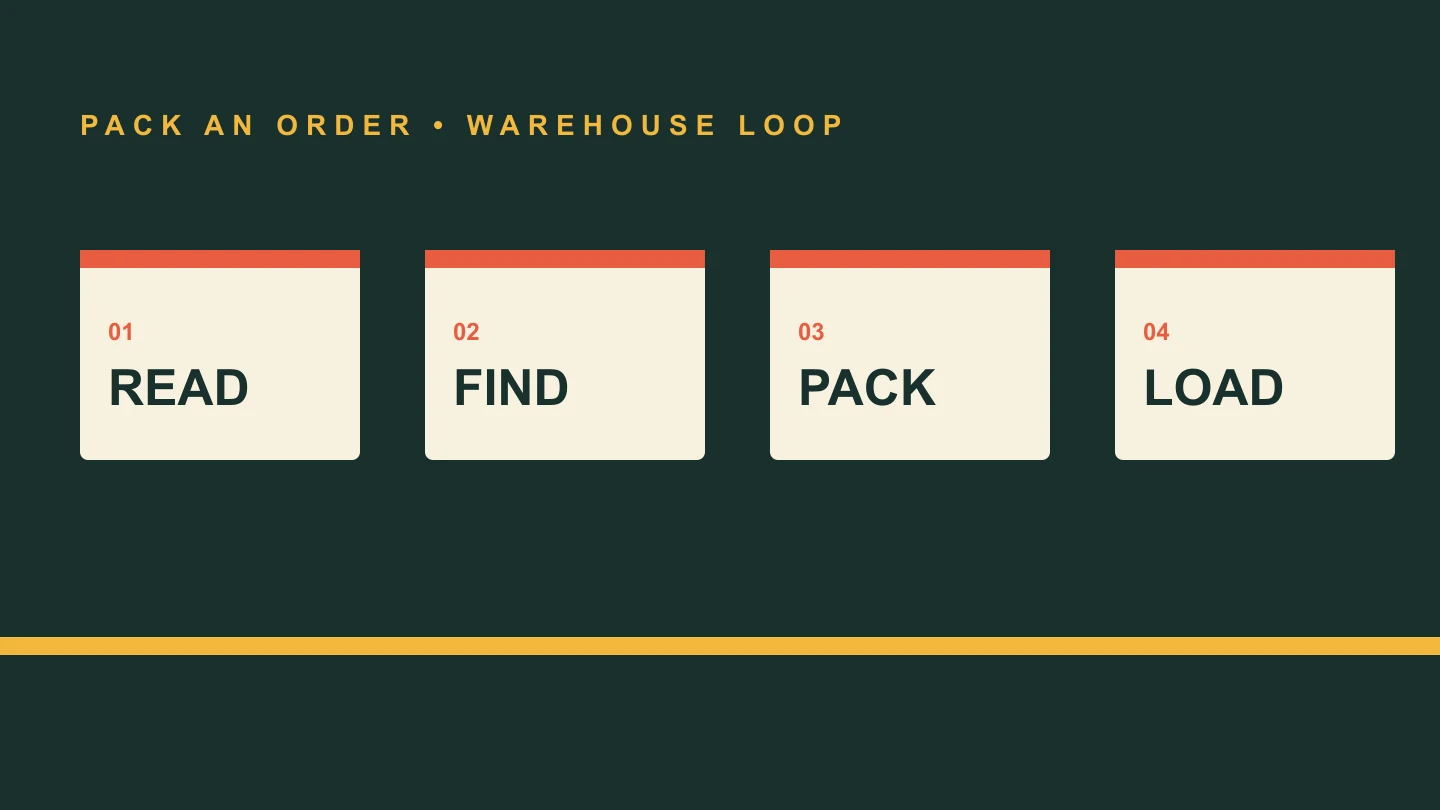
Build speed from repeatable decisions
The official description links completed customer orders to coins, upgrades, abilities, and leaderboard competition. For solo practice, measure progress by whether your next route is cleaner than the last: fewer abandoned items, fewer unnecessary trips, and a completed box that reaches the truck without a second guess.
Abilities are publicly described as unlockable but are not named or explained in the listing. Test an unlocked ability against a real solo bottleneck rather than assuming it changes the whole route. The durable base remains the same: read, find, select, pack, and load.
A good solo practice goal is consistency rather than a number you saw elsewhere. Complete several deliveries with the same ticket-first process and note when you had to stop to recover. As those interruptions disappear, movement and collection routes become easier to improve because your attention is no longer split between the current box and a previous mistake.
End each solo route with a clean reset
The truck load is the natural finish line for a solo route. Once the delivery moves forward, pause just long enough to clear your attention before cycling to another customer order. This does not mean standing still for a long time. It means avoiding the habit of leaving a completed box, carrying leftovers, and starting a new search before the previous job is actually finished.
A clean reset is also the best time to decide whether your next improvement should be a route change or a progression choice. If the ticket, item selection, and packing were clear, focus on the physical delay that remained. If they were not, repeat the same controls with a simpler delivery first. That order keeps solo progression connected to what you can verify in your own run.