Pack an Order Co-op Guide
Pack an Order can be played solo or with friends, and the Roblox experience lists a maximum of twelve players. Co-op is not a separate ruleset: the same customer order, toy shelves, box packing, trucks, coins, upgrades, and timed goal apply. The difference is that a crew can divide a delivery into handoffs, as long as the active order remains visible to the people making each decision. Clear ownership keeps shared speed from becoming shared confusion.
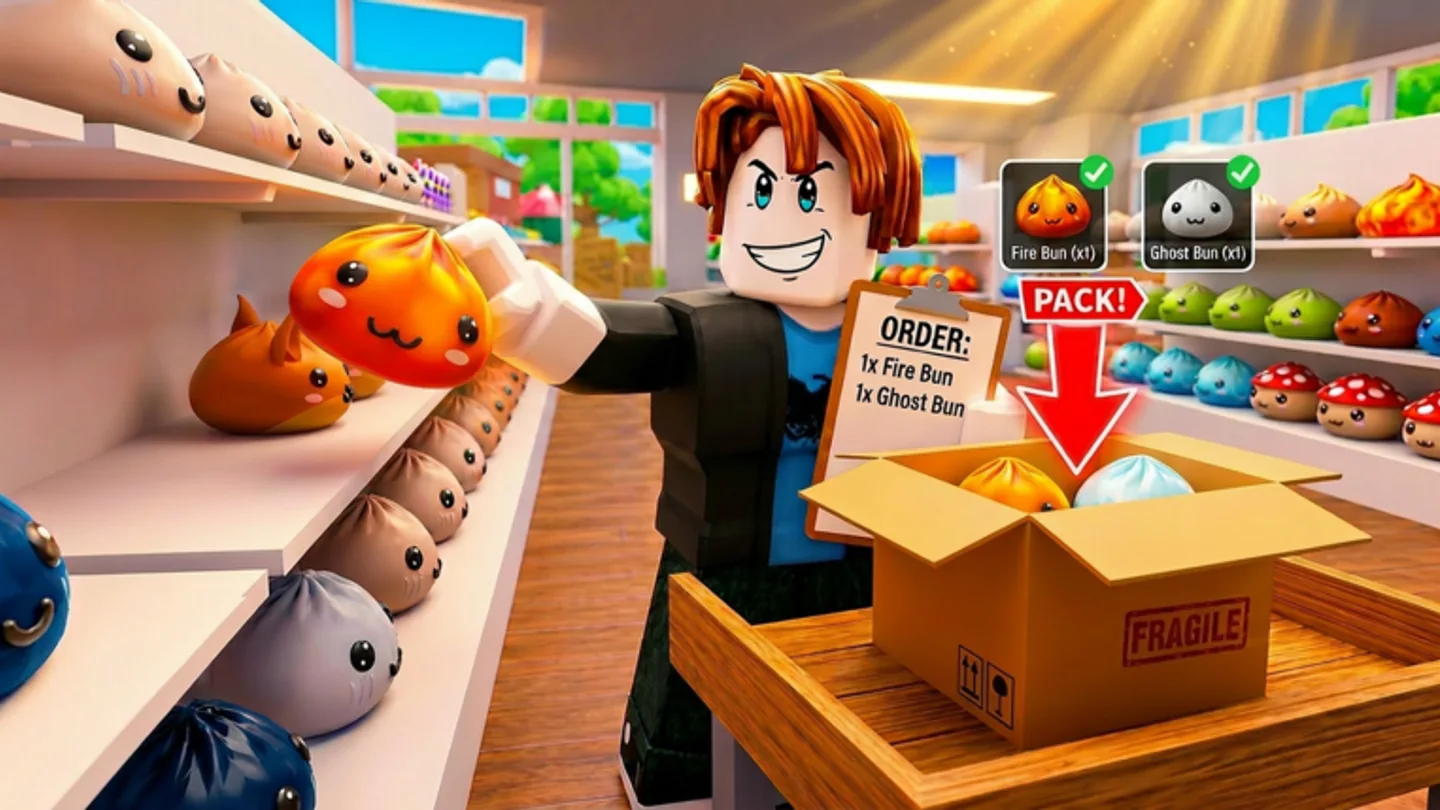
Give every handoff a clear owner
A simple crew pattern is to let one player keep the order context, another handle shelf pickups, and another focus on packing or loading. The exact split depends on the number of players and the current warehouse, but the principle stays useful: avoid sending several people to find the same toy while the box and truck wait unattended. Say the order or item you are handling before you leave the station.
This is coordination, not a claim that the game has named classes. The official description only confirms solo or friend play. Use the role language as a practical way to make the published loop—find, pack, load—visible across the team. Change roles when a queue forms at the shelves, boxes, or truck.
With two players, one useful arrangement is for one person to keep an eye on the ticket and packing handoff while the other returns from the shelves. With more players, a third person can move completed deliveries toward the truck or help a named ticket. These are flexible jobs, not fixed positions. The key is that a player should be able to say what they are advancing before they pick something up.
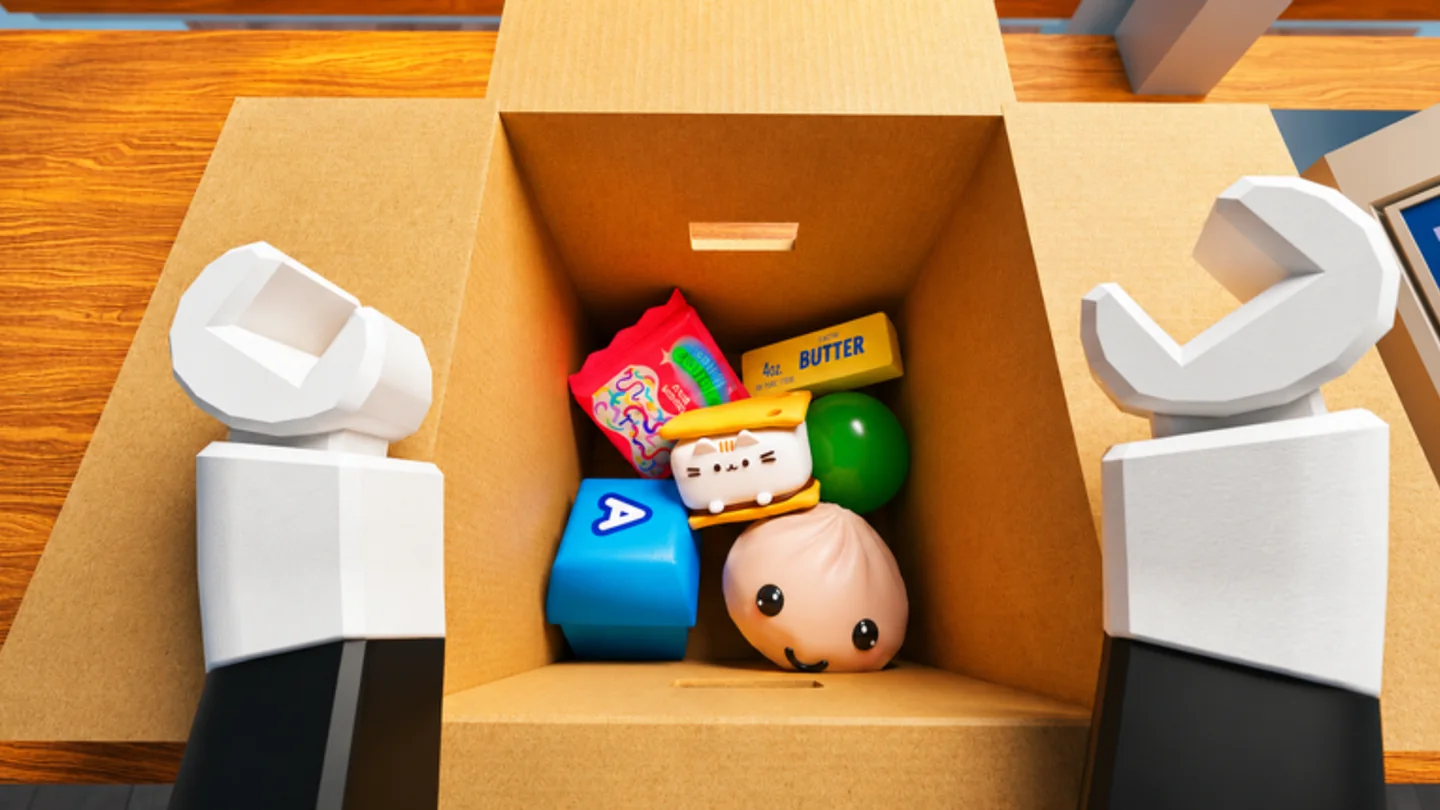
Use the order board as shared language
R cycles customer orders, making the ticket a natural point of communication. Instead of saying that you are getting “the red one,” name the active order and the item as it appears there. If a player has several carried items, Scroll Wheel and inspection provide a final check before the object enters the box.
A crew should also announce corrections. Q drops an item, so a mistaken pickup can be cleared quickly when the person holding it says what changed. Quiet assumptions create the slowest mistake: two players both think the other person will finish the box, while the completed order never reaches the delivery truck.
Keep calls short enough to be useful under the timer. State the ticket, the intended action, and the handoff: for example, that you are collecting for a particular order, that the box is ready to pack, or that the completed delivery is moving to the truck. This is more actionable than narrating every movement, and it gives a teammate a chance to identify duplicate work before it becomes wasted travel.
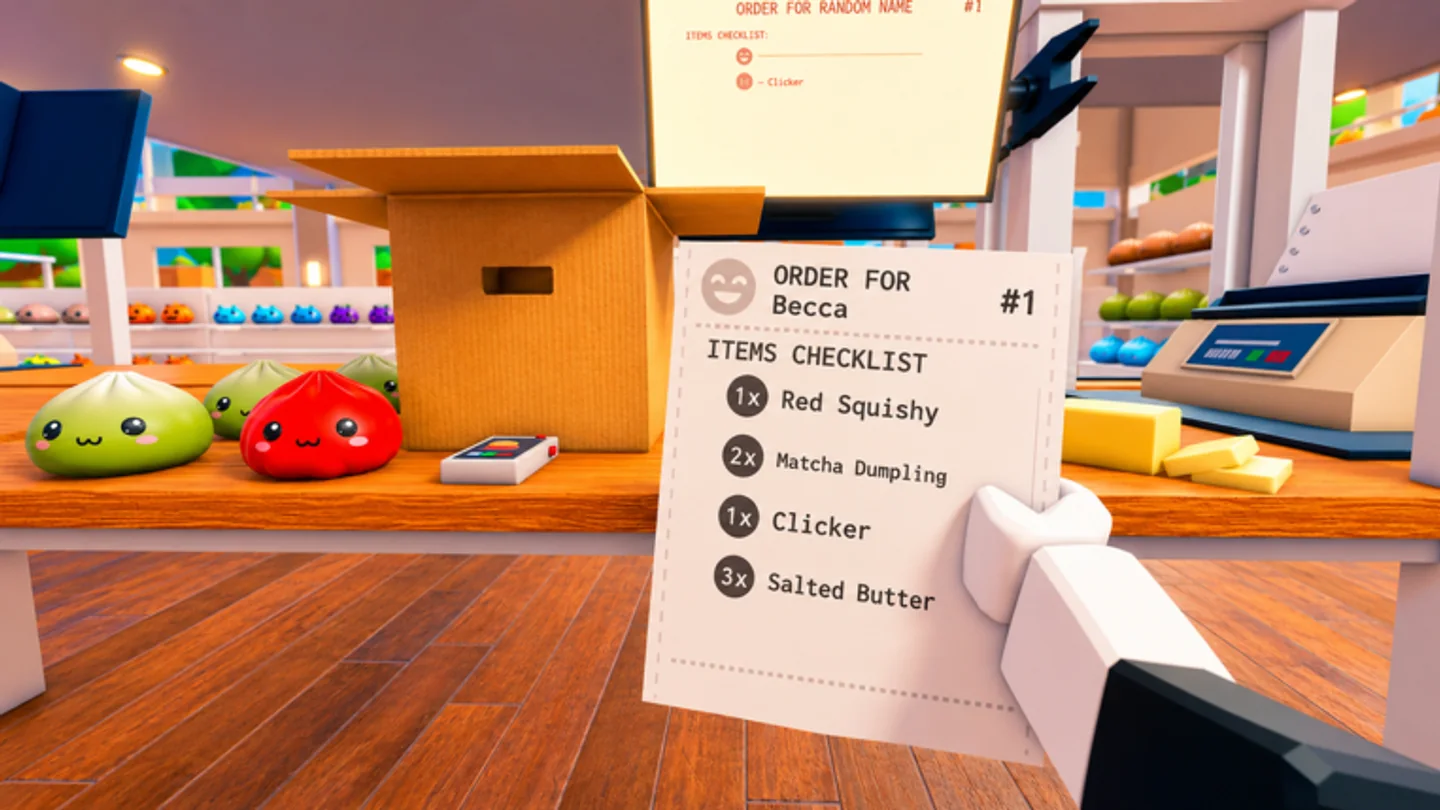
Build the crew around visible bottlenecks
The official progression categories—Speed, Reach, Carry Capacity, and unlockable abilities—can improve different jobs in a crew. Let the actual run decide which one matters. If a shelf runner spends most of the route walking, Speed deserves attention. If the packer keeps making extra shelf trips, Carry Capacity may be more relevant. If handling shelves is awkward, compare Reach in the live game.
Do not expect upgrades to remove the need for a final check. A faster team can also make wrong handoffs faster. Keep the order, carried-item selection, packing input, and truck load connected; the leaderboard goal rewards fast completion, not loose activity.
A crew can also use a brief reset when the line stalls. If several toys are waiting at the box, stop sending more until someone identifies the active order and the next pack action. If the truck is waiting, assign the handoff rather than sending another player to search. The goal is not to force a rigid system; it is to prevent the same unfinished delivery from silently becoming everyone else’s problem.
Practise one reliable team pattern first
Start a group session with a simple pattern before experimenting with every possible split. One player keeps the active order and packing state clear, one player takes a named shelf route, and the remaining player helps complete the box or move it to the truck. The game does not require these jobs; they are a shared language that makes it obvious when a part of the delivery has no owner.
After a completed order, review the line together in a few words. Did two people collect the same toy? Did an item arrive at the box without a clear ticket? Did a completed delivery wait because everyone was searching? Those questions identify communication delays without pretending the public listing supplies a formal team meta or a fixed leaderboard strategy.
Once this pattern feels natural, change only one variable at a time. Let one player take a longer shelf route, let another become the dedicated packing check, or test whether a named upgrade changes the bottleneck. A crew gets faster through clear experiments, not by changing every role during the same uncertain run.
The same pattern also makes it easier to welcome a new teammate. Give them one named handoff and one ticket reference, then expand their job after the crew can see the delivery moving end to end. This prevents a larger server from turning into more players performing the same shelf search without anyone closing the box.